
Birth Sibling Bonds: A Guide to Open Adoption Siblings
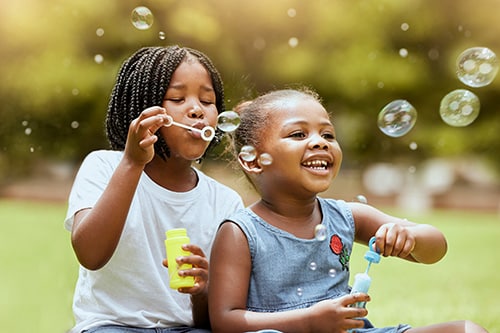
It is not uncommon for women who choose adoption for their babies to have other children that they decide to raise. In fact, this is more the norm than the exception. Research from Adoptive Families Magazine found that 71% of adopted children have known birth siblings, and another 14% may have siblings they don’t yet know about.
You may wonder how to bring up this topic with your child. It is an issue that should not be avoided. As soon as you learn of your child’s birth siblings, you should plan how and when to discuss it. We’ll talk about when and how to talk about your child’s birth siblings below.
The Modern, Blended Family
Families are not one-size-fits-all. Some represent the traditional nuclear family with a mother, father, and siblings all under one roof. Others are raised by a single parent, in a stepfamily, by grandparents, aunts and uncles, or other loving guardians. Many children have half-siblings who live with them or with a parent elsewhere.
Pointing out the fact that families do not all look alike is important for your child’s growth. No child wants to feel different or odd. When your child sees just how many families have their own unique design, he or she will feel less alone in having birth siblings who don’t live in the same home.
Talking About Birth Siblings Early
One of the most important things you can do is to make birth siblings a natural part of your child’s story from the very beginning. Children may experience a range of emotions when they learn about birth siblings: curiosity, joy, confusion, or even sadness.
They might wonder why they were placed for adoption when a sibling was not, or feel sad about not growing up together. These feelings are normal and worth exploring openly and lovingly.
Here are some helpful guidelines for navigating these conversations:
- Talk about birth siblings and make them an integral part of your child’s story from the beginning.
- Keep the language positive when discussing birth siblings.
- If appropriate, ask the birth family to help explain the circumstances.
- Acknowledge that different children may have different emotions about the situation.
- Be prepared for questions and for candid conversations over the years.
- Allow the conversation to happen naturally and don’t push things.
- Recognize that emotions like curiosity and sadness may come and go over time.
Developing Relationships
It is wise to encourage your child to develop a friendship with his or her birth siblings. Allow them to have playdates, and encourage time together during holidays and special occasions. Let them get to know one another in any way that is agreeable to you and the birth mother. When contact is established early in the adoptive placement, it can help strengthen sibling bonds over time.
Your child may wonder what to call their birth siblings. This is something to discuss with their birth parents. It is perfectly fine—and even healthy—for adopted children to refer to birth siblings as brothers and sisters. Others may prefer “half-brother” or “half-sister.” There is no single right answer; follow your child’s lead.
One issue that is often overlooked is the relationship between your adopted child and any siblings already living in your home. Your other children may feel left out if birth siblings are introduced into the picture. Hosting playdates at home so all children can play and grow together can help everyone feel included.
Post-Adoption Contact and Open Adoption Agreements
In open domestic adoptions, contact with birth siblings can be addressed in your post-adoption contact agreement. If a birth sibling is still being raised by the birth parent, specific contact arrangements can be spelled out as part of that agreement. In cases where birth siblings have been adopted by different families, both sets of adoptive parents will need to come to their own agreement about ongoing contact.
Even when formal contact plans are in place, life can get complicated. Schedules shift, families move, and visits don’t always happen as planned. Some parents keep in touch with the adoptive families of their children’s birth siblings through social media, sending holiday messages, or simply keeping the door open for the future. Every effort counts, even if contact is not consistent.
When Contact Isn’t Possible Right Away
Sometimes, maintaining a relationship with birth siblings isn’t possible during childhood, whether due to logistics, distance, or circumstances outside anyone’s control. That doesn’t mean the connection is lost forever.
Many adoptees reconnect with birth siblings later in life, sometimes through mutual search, DNA testing platforms, or social media. These reunions can be incredibly meaningful, offering adoptees a chance to reclaim a piece of their story and identity.
In the meantime, you can help preserve a sense of connection by talking about birth siblings openly, keeping any photos or mementos, and letting your child know that their birth family is a valued part of who they are.
Birth Siblings and Your Child’s Identity
One meaningful benefit of nurturing birth sibling relationships is the connection it can create to your child’s heritage and background. Siblings share a birth story, and that shared identity can be something your child treasures deeply.
Helping your child maintain ties to that part of their history—whether through visits, letters, or keeping stories alive—supports healthy identity development and a strong sense of self.
Getting the Right Support
Navigating birth sibling relationships thoughtfully and prayerfully takes time, patience, and sometimes extra guidance. An adoption-competent therapist or social worker can be a tremendous resource, especially when establishing contact for the first time or helping your child work through complicated feelings. Professional support can help ensure that arrangements are handled in a way that truly benefits everyone involved.
Written resources can also be helpful. Books and workbooks for adoptive families—such as those that walk children through understanding their own unique adoption story—can open doors to conversation and help your child feel seen and understood.
Having Faith in Adoption
The most important tools for making adoption work are loving relationships and faith in God. Encourage your children to pray together or attend church services as a family. This will help them grow closer in many ways while nurturing them from the inside out.
With love, open communication, and trust in God’s plan, your family can navigate the beautiful complexity of birth sibling relationships with grace.
Frequently Asked Questions
When should I tell my child about a birth sibling?
As early as possible, ideally from the very beginning. Making birth siblings a natural part of your child’s story from day one means there is no single “big reveal” moment that might feel jarring or confusing. The conversation will naturally evolve as your child grows and becomes ready to understand more.
What do I do if my child asks why they were placed for adoption, but their birth sibling wasn’t?
This is one of the most emotionally tender questions a child can ask, and it deserves a thoughtful, honest answer. It helps to acknowledge your child’s feelings openly, whether that’s sadness, curiosity, or even anger.
Avoid dismissing the question. If it’s appropriate, the birth mother may be willing to help explain her circumstances. An adoption-competent therapist can also be a wonderful support for navigating these deeper conversations.
What should my child call their birth siblings?
This is a personal choice that can be made together with your child and the birth family. Many adopted children simply refer to birth siblings as “brother” or “sister,” which is completely healthy and affirming. Others prefer “half-brother” or “half-sister.” Let your child’s comfort guide the decision, and know that it may change over time as they grow.
How can we maintain a relationship with birth siblings if we live far away?
Distance doesn’t have to mean disconnection. Video calls, letters, emails, and social media can all help keep the relationship alive between in-person visits. Even exchanging photos or holiday cards goes a long way toward preserving a sense of connection. The important thing is to stay consistent and keep the door open.
What if contact with birth siblings doesn’t happen during childhood?
That’s okay, and it doesn’t mean the relationship is lost. Many adoptees reunite with birth siblings as adults, sometimes through DNA testing services, social media, or mutual searching.
In the meantime, you can keep the possibility alive by talking openly about birth siblings, saving any known information, and helping your child know that this part of their story is always worth exploring when they’re ready.
How do I handle it if my other children feel left out when birth siblings are involved?
This is a common and valid concern. A great way to address it is to include all your children in activities and playdates with birth siblings whenever possible. Framing birth siblings as an extension of your whole family (not a separate, exclusive relationship) can help everyone feel connected and included.
Should birth sibling contact be included in our open adoption agreement?
Yes, if possible. In a domestic open adoption, you can work with the birth mother and your adoption professional to include birth sibling contact as part of your post-adoption agreement. This gives everyone clarity and helps ensure that visits or communication actually happen. If birth siblings were adopted by a different family, you’ll want to connect with those adoptive parents to make a separate arrangement that works for everyone.
When should we seek professional support for navigating birth sibling relationships?
Anytime you’re unsure how to handle a difficult conversation or your child is showing signs of emotional struggle around the topic, reaching out to an adoption-competent therapist is a wise step.
Professional guidance is especially helpful when establishing contact for the first time, or when navigating complex situations like a birth sibling raised by the birth parent. You don’t have to figure it all out on your own. Support is available.
Get More Info Now
If you live outside of the United States, please click here.
Lifetime Adoption, Inc. is a Licensed Child Placing Agency in Arkansas. (License AR #00050809)
Copyright © | Lifetime Adoption